
The Playmoove Solution
Playmoove was designed for what a mobility operator deals with every day: several mobility models at once, vehicles and external systems to integrate, operational exceptions to resolve, and a service that keeps evolving.
Today Playcar uses Playmoove as the central infrastructure of its service. The platform covers:
- customer app and profile, registration and documents;
- bookings and changes;
- tariffs and promotions;
- payments and invoicing;
- vehicle availability and location, and telematic access;
- parking bays and operating areas;
- maintenance and vehicle downtime;
- damage reports;
- customer service;
- corporate accounts;
- reporting.
The Fleet
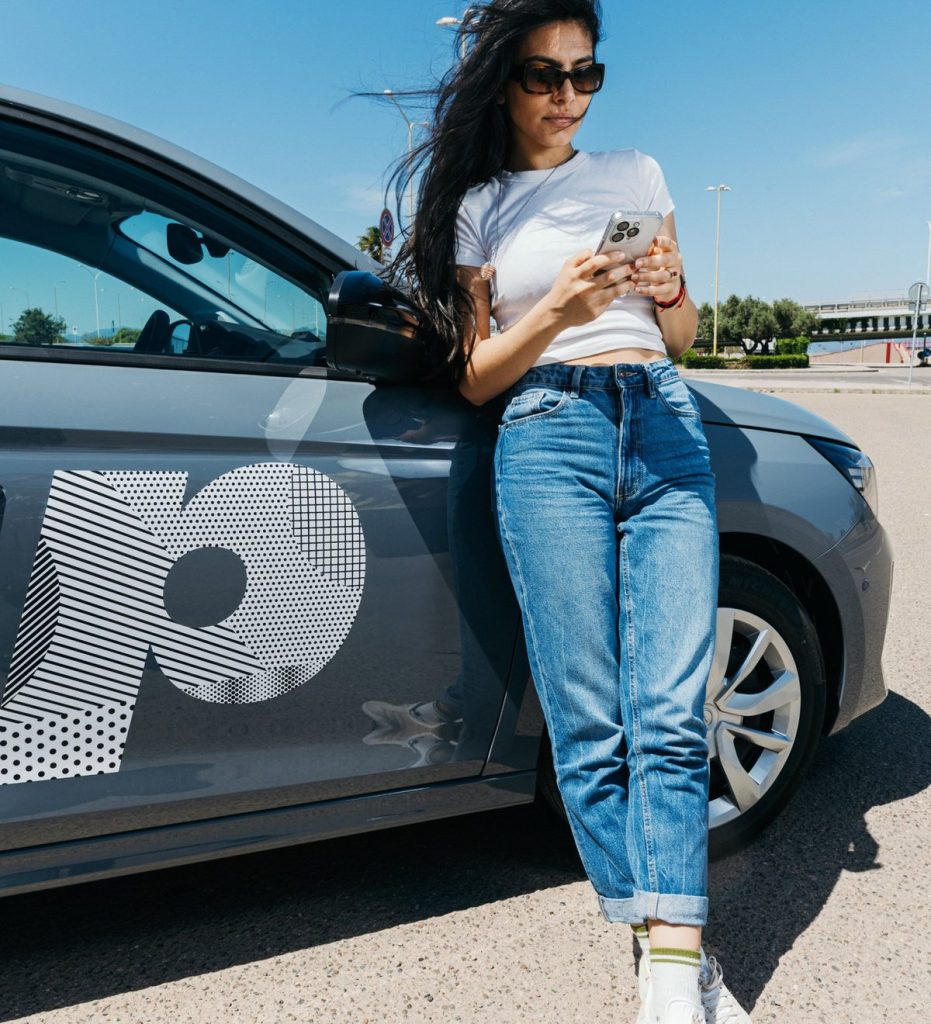
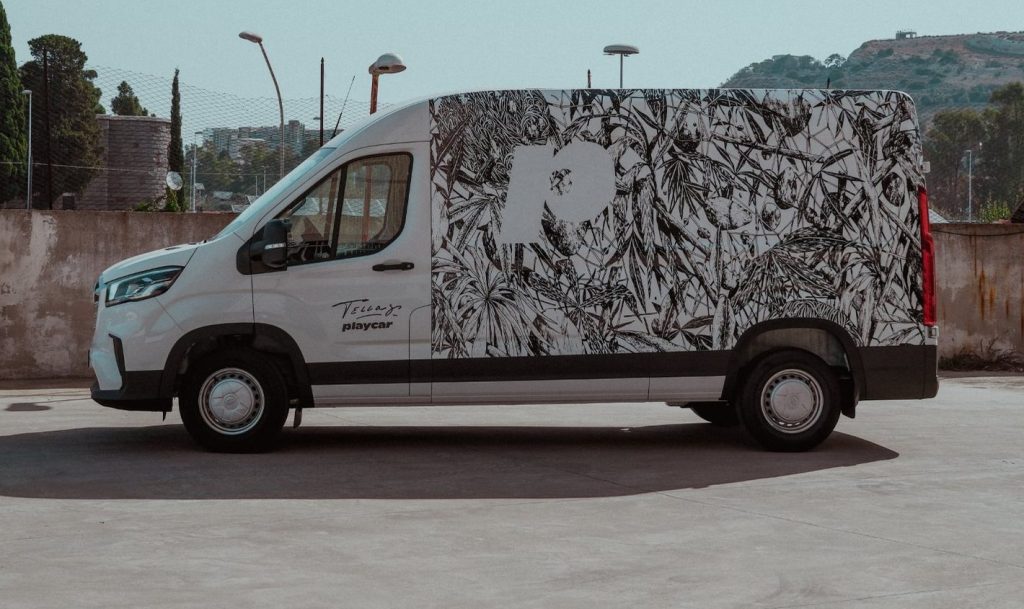
Playcar’s fleet grew gradually from 9 cars in 2014 to 150 vehicles in 2026. Today it covers very different needs on the same platform:
- city cars: Smart ForTwo, Smart ForFour, Kia Picanto, Volkswagen up!;
- compact cars: Skoda Fabia, Renault Clio, Opel Corsa;
- SUVs and crossovers: Kia Stonic, Opel Mokka, Nissan Qashqai;
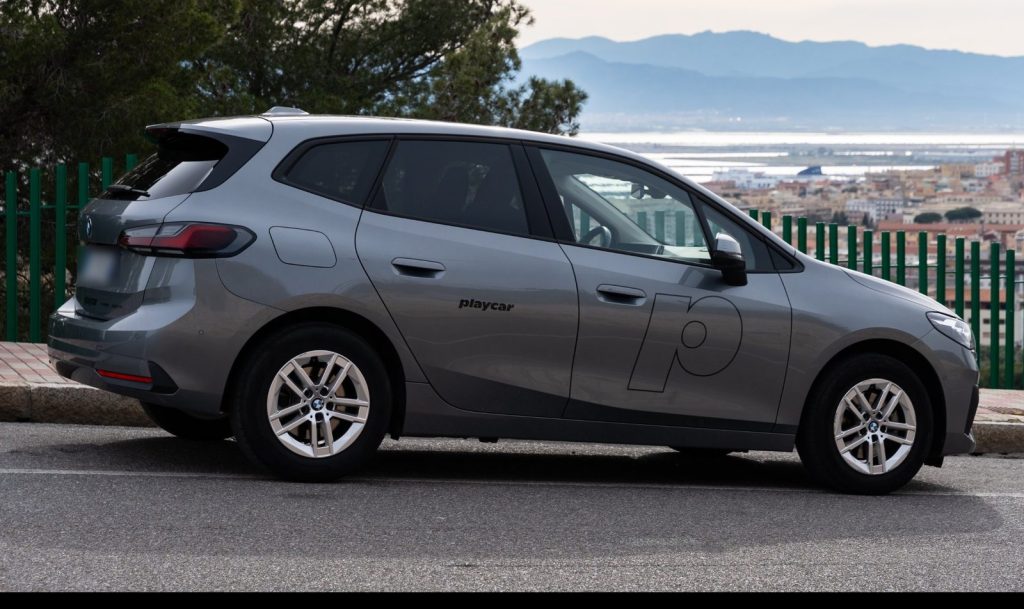
- premium: Lexus LBX, BMW 2 Series, Tesla Model Y;
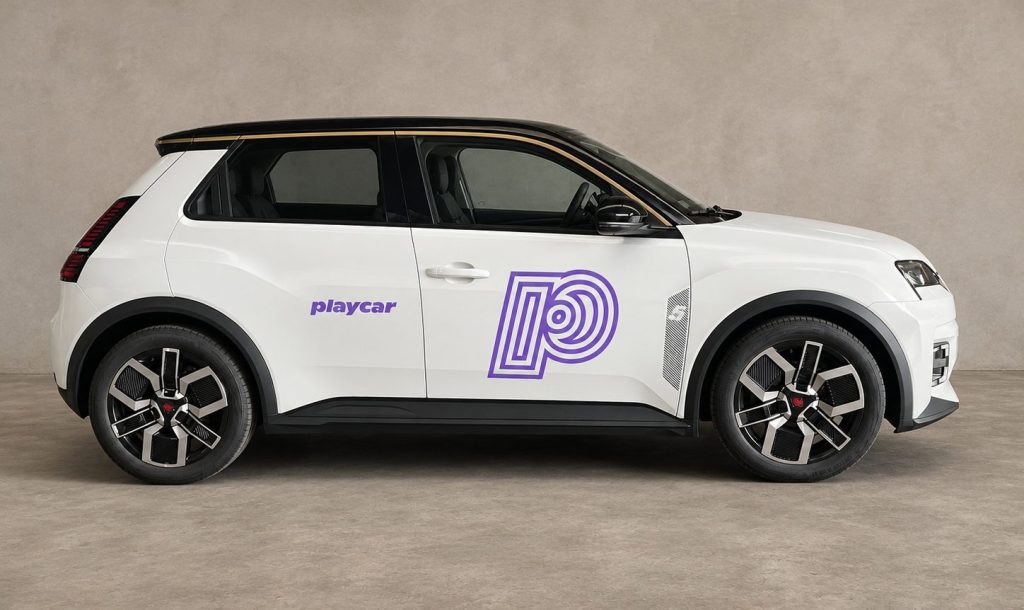
- electric: Renault 5, Renault Zoe, Nissan Leaf;
- commercial vehicles: Renault Trafic, Maxus Deliver 9;
- 7 and 9-seaters: Dacia Jogger, Nissan Primastar, Mercedes Vito;
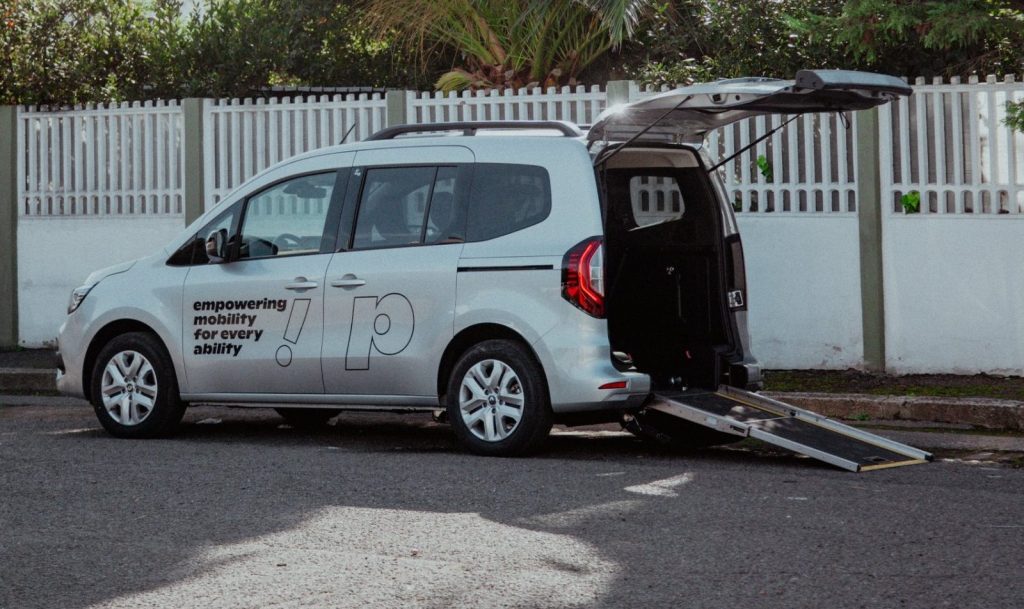
- accessible vehicles: Renault Kangoo with ramp;
- electric microcars: Mobilize Duo.
Connected Vehicles
The fleet is mixed: each Playcar vehicle is fitted with either an INVERS or a Teltonika telematics device. INVERS devices are integrated directly with Playmoove; Teltonika devices are integrated through Playconnect.
Depending on how each vehicle is equipped, the integration handles location, access authorisation, locking and unlocking from the app, and the data needed to run operations.
Customers reach the vehicle without going through a counter.

AI Damage Detection with INVERS and carvaloo
In car sharing and app-based rental, nobody hands over the keys, so minor damage often goes unreported. Playcar uses the damage detection solution developed by INVERS and carvaloo, both Playmoove partners and integrated in the platform.
A module connected to the INVERS telematics unit collects motion sensor data during each trip. carvaloo’s artificial intelligence analyses it in the cloud and tells ordinary events, such as a pothole or a slammed door, apart from likely damage, such as a minor collision.
Each detected event produces a report with time, location and type of event. In Playmoove the report sits alongside the booking, so the team knows which rental it happened in, and can plan repairs and take vehicles off the road only when needed.
Together with the photos taken at every pick-up and return, it gives Playcar objective evidence when handling damage.
Automated Rental: Born from Tourism
Automated rental is the clearest example of a Playcar need that became a Playmoove product.
The problem. Round trip car sharing charges by the hour or day plus mileage. For a tourist who wants a car for several days, that model did not work: the cost grew with every kilometre of the holiday.
The solution. Playcar created a rental service and developed it step by step on Playmoove, until it worked like a real car rental company, on a phone. Customers book in the app, choose between limited and unlimited mileage, add extras, and then open and unlock the vehicle with their smartphone.
Like a real car rental company, but on a phone: no office queue and no stress at pick-up.
Photos of the vehicle’s condition are taken at every pick-up and return. Extensions, final charges and invoicing are handled digitally. Pick-up points can be spread across the area without opening an office at each one.
The product. What started as an answer for tourists in Sardinia is now a standard Playmoove module, available to any operator that wants to offer rental without a counter.
Integrations
Playmoove connects Playcar’s service with the external systems it depends on:
- electronic payments;
- vehicle telematics and control;
- damage detection;
- customer service and request management;
- electronic invoicing;
- accounting;
- identity, driving licence and document verification;
- telephony;
- parking, bay and airport systems;
- operational partners’ services and systems.
Operations and People
Approximately 15 people work on Playcar’s operations.
Playmoove brings customer, booking and vehicle information into one shared environment.
It automates part of the repetitive work, so the team can focus on the exceptions that need a person.
Handling Peaks and the Unexpected
In summer the fleet can be fully booked. On those days, an unavailable vehicle affects a customer who has already planned the trip.
When a vehicle breaks down, the team can replace it on the same booking. Customer details, dates, tariff and payment stay as they are, with no new transaction and no new booking for the customer. The faulty vehicle is moved to maintenance and taken out of availability until it is back in service.
This is the kind of situation a platform only learns to handle by running a real service.
Customer Service
Customer service is available 24/7 by phone, through the switchboard, on WhatsApp and via live chat on the website. Through Playmoove, agents see the customer, the booking and the vehicle in one place.
From Playcar’s Needs to the Product
Several Playmoove features started as Playcar’s operational needs and then became part of the product for other operators:
- round trip car sharing;
- free-floating car sharing;
- automated rental;
- corporate accounts.
Using the platform every day on a live service is how specific operational needs become features that other operators can reuse.
Results
What began as a need for operational continuity became a platform that has supported a live service for years and is now a product for other operators.
- Approximately 200,000 bookings created and completed on the Playcar service.
- Approximately 35,000 verified users as of November 2026.
- A fleet that grew from 9 cars in 2014 to 150 vehicles in 2026.
- Very different vehicles, from microcars to 9-seaters and accessible vans, managed in one place.
- Digital vehicle handover with no counter, including pick-up outside office hours.
- Sharing and rental managed from one back-office.
- New pick-up points, from Cagliari-Elmas Airport to Livorno, opened without replicating a physical office.
- Damage linked to the right booking through photos and AI-based detection.
- Digital invoicing and continuous fleet monitoring.
- Features born at Playcar, such as automated rental, now used by other operators.